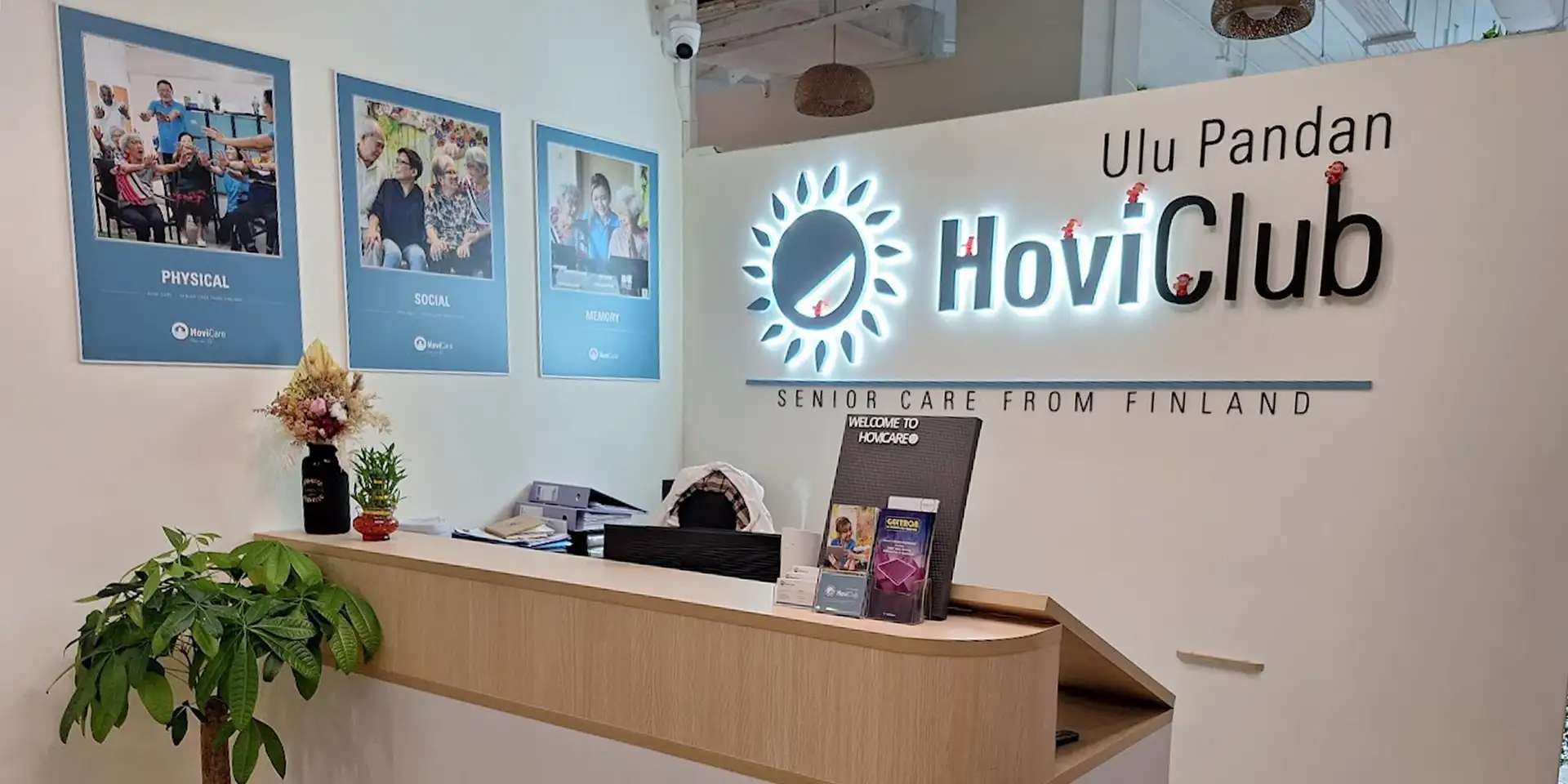
Creating an environment where seniors can maintain their independence while receiving the support they need is essential for their well-being and quality of life. As we age, our homes should evolve to accommodate changing needs without compromising on comfort, dignity, or autonomy. At Hovi Care, we understand that the right living environment can significantly enhance independence, safety, and enjoyment for seniors. Let’s explore how thoughtfully designed spaces can support elderly independence while creating a warm, family-like atmosphere that feels like home.
The importance of family-oriented environments for seniors
For over 30 years, Hovi Care has operated on a fundamental principle: elderly services should be provided from a family to a family. This approach transcends traditional care models by creating living spaces where seniors genuinely feel at home. When designing age-friendly homes, incorporating this family orientation means considering both physical aspects and emotional connections.
Family-oriented environments acknowledge that each senior brings their own history, preferences, and needs. These spaces encourage regular family involvement and create opportunities for meaningful interactions. The design of these environments considers how families naturally gather and communicate, with comfortable seating arrangements that facilitate conversation and connection.
At Hovi Care, this family orientation extends beyond physical design to the entire care philosophy. By working transparently with families toward the shared goal of seniors’ wellbeing, we create environments where elderly residents feel valued, respected, and part of a community that genuinely cares about them.
This approach recognizes that maintaining family connections is vital for seniors’ cognitive and emotional health. Spaces designed with family gatherings in mind—whether for special occasions or everyday visits—can dramatically improve quality of life and sense of belonging, helping seniors maintain their independence while feeling supported in a family-like community.
How can technology enhance independence in elderly homes?
Technology plays an increasingly important role in creating age-friendly homes that promote independence. Hovi Care environments thoughtfully incorporate technologies for rehabilitation, therapy, and entertainment, enabling seniors to maintain autonomy while ensuring their safety and wellbeing.
Safety technology solutions are particularly valuable for supporting independence. These might include emergency response systems, motion sensors, automated lighting, and fall detection technology. Such systems provide peace of mind for both seniors and their families, allowing for greater freedom of movement while ensuring help is available when needed.
Beyond safety, technology can enhance daily living in numerous ways. Rehabilitation technologies help seniors maintain mobility and recover from health challenges, while entertainment systems provide cognitive stimulation and enjoyment. These technological elements are selected and implemented with seniors’ specific needs in mind, ensuring they enhance rather than complicate daily life.
The key to successful technology integration lies in balancing innovation with simplicity. At Hovi Care, technologies are chosen not just for their capabilities but for their usability and relevance to seniors’ lives. The best technological solutions are those that fade into the background of daily life, quietly supporting independence without requiring constant attention or technical expertise.
For seniors requiring additional assistance with daily activities while maintaining their independence, active ageing and respite care services provide valuable support that complements technological solutions, creating a comprehensive approach to independent living.
Designing memory-friendly spaces for elderly wellbeing
Creating homes that support seniors with memory challenges requires thoughtful design focused on safety, simplicity, and clarity. Memory-friendly environments help people living with dementia navigate their surroundings with confidence while maintaining dignity and independence.
Hovi Care’s approach to memory-friendly design incorporates clear visual cues, consistent layouts, and intuitive navigation. Colour coding, prominent signage, and memory stations help residents orient themselves and find their way around independently. These design elements reduce confusion and anxiety while promoting autonomous movement.
Lighting plays a crucial role in memory-friendly spaces. Consistent, glare-free lighting reduces shadows that might cause confusion or misperception. Natural lighting is incorporated wherever possible, helping to maintain healthy sleep-wake cycles and improving overall mood and wellbeing.
Personal touches such as memory boxes outside private rooms and familiar objects in common areas help create a sense of recognition and belonging. These elements provide cognitive anchors that help residents identify their personal spaces and feel secure in their environment.
Importantly, memory-friendly design maintains a balance between safety and independence. While security features prevent wandering and protect residents from harm, they’re implemented discreetly to avoid creating a restrictive atmosphere. The goal is always to create environments where seniors feel free to explore and engage while remaining safe.
Incorporating Green Care elements in senior living spaces
Connecting with nature has profound benefits for seniors’ physical, emotional, and cognitive wellbeing. Hovi Care environments integrate elements from nature to create Green Care experiences that evoke positive recollections and enhance overall quality of life for elderly residents.
Indoor plants, nature-inspired artwork, and natural materials create a sensory-rich environment that brings the outdoors in. These elements aren’t merely decorative—they provide meaningful connections to the natural world that can trigger positive memories and create a sense of calm and familiarity.
Where possible, outdoor spaces are designed to be accessible and engaging for seniors of all abilities. Raised garden beds, sensory gardens with aromatic plants, and comfortable seating areas allow residents to actively engage with nature regardless of physical limitations.
Green Care also encompasses sensory stimulation through natural elements. The sounds of birdsong, the scent of flowers, and the feel of different natural textures all provide valuable sensory experiences that can be especially beneficial for people living with dementia.
These nature-based elements are carefully integrated into the overall design of living spaces, creating environments that feel organic and harmonious rather than clinical or institutional. The result is a living environment that supports both physical health and emotional wellbeing through meaningful connections with the natural world.
Overcoming challenges in creating personalized senior homes
Creating truly personalized living environments for seniors presents several challenges, from accommodating diverse needs to balancing safety with independence. Hovi Care addresses these challenges through a commitment to individuality, respecting each client’s unique preferences while creating spaces that promote autonomy.
One common challenge is accommodating varying levels of physical ability within the same environment. Universal design principles help create spaces that work for residents with different mobility needs without segregating or stigmatizing those who require more assistance. Adjustable features and adaptable spaces allow the environment to evolve with changing needs.
Another challenge lies in creating environments that feel personal and homely while meeting necessary safety and care requirements. By involving seniors and their families in the design process and encouraging personalisation of living spaces, Hovi Care creates environments that reflect individual identities and histories.
Technology integration presents both opportunities and challenges. The key is selecting and implementing technologies that genuinely enhance independence rather than creating additional complications. Simple, intuitive interfaces and thoughtful integration ensure that technology serves residents rather than confusing or frustrating them.
Perhaps the greatest challenge lies in creating spaces that accommodate cognitive changes while maintaining dignity and respect. Through memory-friendly design principles and staff trained to support independence, Hovi Care environments enable seniors to navigate daily life with confidence even as their cognitive abilities change.
Building trust through thoughtful environmental design
Environmental design plays a crucial role in building trust between seniors, caregivers, and families. Hovi Care builds this trust through transparent operations and thoughtfully designed living spaces that foster open communication while supporting senior independence.
Spaces designed for transparency include open common areas where care activities are visible and family members can easily observe and participate in daily life. This openness helps families feel confident in the care their loved ones receive and encourages ongoing involvement in their care journey.
Environmental cues that communicate clearly about available activities, daily schedules, and care routines help seniors understand what to expect, reducing anxiety and building trust in their surroundings. Consistent layouts and familiar reference points create a sense of security and predictability.
Environments designed to encourage interaction between residents, staff, and families create opportunities for relationship-building and open communication. Comfortable meeting spaces, family dining areas, and casual gathering spots allow for natural conversation and connection.
Trust is also built through environments that clearly prioritize dignity and independence. Private spaces that respect personal boundaries, bathrooms designed for maximum independent use, and personal storage that residents can access easily all communicate respect for autonomy and individual choice.
By creating environments where seniors feel safe, respected, and empowered, Hovi Care builds trust not just through words but through daily lived experience. This trust forms the foundation of effective care relationships and contributes significantly to seniors’ sense of wellbeing and independence.
Creating age-friendly homes that promote independence is about much more than physical accessibility—it’s about designing environments that support the whole person, respecting individual preferences, fostering family connections, and building trust through thoughtful design. At Hovi Care, we remain committed to creating living spaces where seniors can thrive independently while feeling supported, respected, and truly at home.