Managing finances for elderly loved ones is challenging enough, but when family members live across different countries, the complexity multiplies significantly. With international banking regulations, currency exchange considerations, and varying healthcare systems, families need thoughtful approaches to ensure their elderly relatives’ financial wellbeing. At Hovi Care, we’ve supported numerous families navigating these intricate waters while maintaining the dignity and independence of their loved ones. This guide offers practical insights for families managing elderly finances across borders while preserving trust, respecting individuality, and maintaining family-centered approaches.
Why is managing elderly finances across borders challenging?
When family members live in different countries, coordinating financial care for elderly relatives creates unique obstacles. Banking systems vary dramatically between nations, with different regulations, account access procedures, and documentation requirements. Currency fluctuations can impact pension values and savings, potentially affecting the stability of an elderly person’s financial situation.
Communication barriers pose another significant challenge. When family members are separated by time zones and distance, maintaining the transparent communication necessary for financial decisions becomes complicated. This is particularly important when multiple family members share responsibility for financial oversight.
Cultural differences in approaching money matters can also create tensions. Some cultures are more private about financial discussions, while others expect open family involvement. Understanding these nuances is essential for maintaining harmony while ensuring proper financial care.
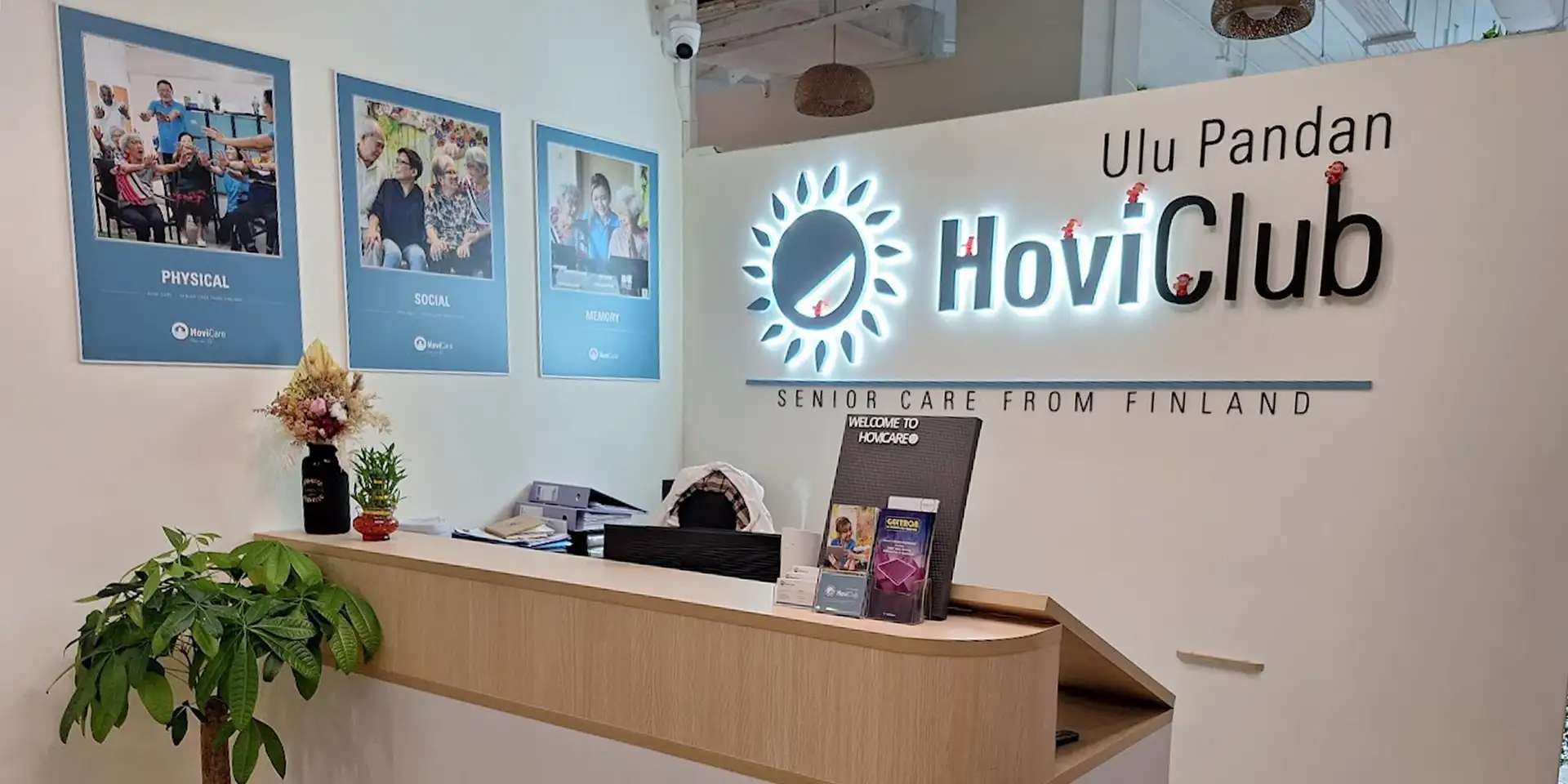
At our Hovi Club senior activity centres, we often see how elderly individuals benefit from engaging social activities that maintain cognitive function while financial matters are managed thoughtfully by their international families. These senior living and care environments provide peace of mind for family members living abroad, knowing their loved ones are engaged and supported while financial arrangements are handled appropriately.
Building trust in financial caregiving
Trust forms the foundation of any successful financial caregiving arrangement, especially across borders. When families can’t physically check in regularly, establishing systems that promote transparency becomes essential.
Regular financial updates through secure channels help maintain trust between all parties. Consider creating a shared online document or using financial management applications specifically designed for family caregiving that allow appropriate visibility while maintaining security.
Documentation of all decisions and transactions creates a clear record that protects both the elderly individual and the financial caregiver. This might include:
- Meeting notes from financial discussions
- Copies of bills paid and income received
- Regular account summaries
- Records of major financial decisions
Consistent communication schedules help everyone stay informed and involved. Setting regular video calls to discuss financial matters ensures that even family members living far away remain connected to important decisions about their loved one’s finances.
Open dialogue about financial concerns should be encouraged, creating space for all family members to express their perspectives. This approach mirrors Hovi Care’s philosophy of transparent operations and open communication among all stakeholders in the care journey.
Respecting individuality in financial decisions
Every elderly person has unique financial needs, priorities, and decision-making capacities. Respecting these individual differences is paramount when managing finances across borders. Some may want significant involvement in day-to-day financial matters, while others might prefer focusing on broader decisions while delegating routine tasks.
Understanding personal preferences requires thoughtful conversation about comfort levels with different financial management approaches. Ask questions like:
- How much involvement would you like to have in routine financial decisions?
- Which financial matters are most important for you to maintain control over?
- What financial concerns keep you awake at night?
Cultural backgrounds often influence attitudes toward money management. In some cultures, financial independence is highly valued, while in others, family financial interdependence is the norm. Acknowledging these differences helps avoid misunderstandings when family members from different cultural contexts collaborate on financial care.
Creating flexibility in financial systems allows for adaptation as needs and capabilities change. This might mean starting with minimal support and gradually increasing assistance as needed, always preserving as much autonomy as possible.
At Hovi Care, we understand that respecting individuality extends to all aspects of life, including financial management. Our approach to elderly care recognizes each person’s unique needs and wishes, just as financial caregiving should be tailored to individual preferences and capabilities.
Navigating International Banking Systems
Successfully managing elderly finances across borders requires understanding how international banking systems work and implementing practical solutions that bridge geographical gaps. The right banking infrastructure can significantly simplify cross-border financial management while ensuring security and accessibility.
Choosing Banks with International Capabilities
Not all banks are equipped to handle international financial management effectively. When selecting banking partners for elderly relatives living abroad, prioritize institutions that offer:
- Global branch networks or partnerships with banks in your elderly relative’s country
- Multi-currency account options to minimize exchange rate impacts
- 24/7 international customer service with multilingual support
- Robust online banking platforms accessible from multiple countries
- Established procedures for international power of attorney recognition
Major international banks like HSBC, Citibank, and Deutsche Bank often provide specialized services for expatriate families and cross-border financial management. Research which institutions operate in both your country and your elderly relative’s location to streamline account management.
Setting Up Power of Attorney Across Borders
Establishing legal authority to manage finances internationally requires careful navigation of different legal systems. The process typically involves:
- Obtaining power of attorney documents in the elderly person’s country of residence, ensuring they meet local legal requirements
- Having documents properly notarized and, if necessary, apostilled for international recognition
- Registering power of attorney with relevant banks and financial institutions in both countries
- Understanding limitations – some countries don’t recognize foreign power of attorney for certain financial transactions
- Consulting with legal professionals in both jurisdictions to ensure compliance
Keep multiple certified copies of all power of attorney documents, as banks and financial institutions may require original documentation for certain transactions.
Understanding SWIFT Transfers and International Fees
International money transfers are essential for cross-border financial management, but understanding the costs and procedures helps optimize these transactions:
- SWIFT transfers are the standard for international bank-to-bank transfers, typically taking 1-5 business days
- Fees can include sending fees, receiving fees, and intermediary bank charges – often totaling $25-75 per transfer
- Exchange rates offered by banks are usually less favorable than market rates, adding hidden costs
- Alternative services like Wise (formerly TransferWise), Remitly, or Western Union often offer better rates and lower fees
- Setting up regular transfer schedules can sometimes reduce per-transaction costs
For recurring expenses like care facility payments or living allowances, establish automatic transfer schedules to ensure consistent funding while minimizing transaction fees.
Managing Multiple Currency Accounts
Currency fluctuations can significantly impact elderly finances when income and expenses occur in different currencies. Strategic account management includes:
- Maintaining accounts in multiple currencies to reduce exchange rate exposure
- Timing currency exchanges strategically when rates are favorable
- Using forward contracts or currency hedging for large, predictable expenses
- Keeping emergency funds in the local currency where the elderly person resides
- Monitoring exchange rates regularly to identify optimal transfer timing
Step-by-Step Account Access Procedures
Establishing reliable procedures for accessing accounts from different countries ensures smooth financial management:
- Set up secure online banking access with strong passwords and two-factor authentication
- Register trusted devices in both countries to avoid security blocks on international access
- Establish phone banking credentials with security questions that can be answered from anywhere
- Create a contact protocol with bank relationship managers who understand your international situation
- Maintain updated contact information with all financial institutions in both countries
- Test all access methods regularly to identify and resolve issues before emergencies arise
Document all account access procedures clearly so that backup family members can step in if needed, ensuring continuity of financial management even during unexpected situations.
Family-oriented financial planning strategies
Effective cross-border financial management requires coordinated family effort. Designating specific roles based on family members’ strengths and geographical locations creates efficiency and clarity. For example, a family member in the same country might handle day-to-day banking, while someone with financial expertise might oversee investments regardless of location.
Regular family meetings specifically focused on financial matters help maintain alignment and address concerns proactively. These gatherings should include:
- Updates on current financial status
- Discussion of upcoming expenses or financial decisions
- Review of any changes in financial goals or circumstances
- Space for questions and concerns from all family members
Creating contingency plans for various scenarios ensures that financial management can continue smoothly even when unexpected situations arise. This might include designating backup decision-makers or creating emergency funds accessible from multiple countries.
Collaborative tools specifically designed for family financial management can bridge geographical gaps. These might include shared document repositories, international banking applications, or financial management platforms with multi-user access.
This family-oriented approach reflects Hovi Care’s philosophy of providing care “from a family to a family,” working transparently toward the common goal of seniors’ wellbeing. Just as our care environments foster family involvement, financial systems should create space for meaningful family collaboration regardless of physical distance.
Ethical considerations in cross-border finances
Managing finances for elderly family members comes with significant ethical responsibilities that become more complex in international contexts. Maintaining complete transparency in all financial dealings protects everyone involved and preserves trust within the family.
Balancing autonomy with protection requires careful consideration. While safeguarding financial resources is important, respecting the elderly person’s right to make decisions about their own money whenever possible is equally vital.
Different countries have varying legal frameworks regarding financial management for elderly individuals. Understanding these regulations in all relevant jurisdictions helps ensure compliance and protects both the elderly person and their financial caregivers.
Addressing cultural differences in ethical perspectives on financial management prevents misunderstandings. For example, in some cultures, pooling family resources is expected, while in others, maintaining strict financial boundaries is the norm.
At Hovi Care, maintaining high ethical standards in all operations is fundamental to our approach. Similarly, ethical considerations should guide every aspect of cross-border financial management for elderly family members, ensuring that decisions reflect their best interests while respecting their dignity and autonomy.
Creating secure financial environments
Security concerns multiply when managing finances across international boundaries. Implementing robust safeguards against financial fraud and exploitation is essential, as elderly individuals are often targeted by sophisticated scams.
Simplifying financial systems reduces complexity and potential points of vulnerability. This might include:
- Consolidating accounts where appropriate
- Setting up automatic payments for recurring expenses
- Using financial institutions with strong international capabilities
- Creating clear documentation systems that can be understood by all involved family members
Utilizing technology thoughtfully can enhance security while maintaining accessibility. Secure digital platforms allow for monitoring accounts from anywhere in the world, while two-factor authentication protects against unauthorized access.
Regular reviews of financial arrangements ensure they continue to meet the elderly person’s needs as circumstances change. These reviews should include assessment of security measures, account structures, and overall financial wellbeing.
Creating these secure yet accessible financial environments mirrors Hovi Care’s approach to physical environments that balance safety with engagement and dignity. Just as our care spaces are designed to be secure while promoting independence, financial systems should protect resources while preserving appropriate autonomy.
Managing finances for elderly loved ones across international borders requires thoughtfulness, clear communication, and strong ethical foundations. By focusing on transparency, respecting individuality, embracing family collaboration, maintaining ethical standards, and creating secure systems, families can navigate these complex waters successfully. Remember that financial management is just one aspect of comprehensive elder care. Connecting it with high-quality daily support through services like Hovi Care’s Elderly Day Care programs ensures that your loved one’s financial security is complemented by meaningful engagement and appropriate support in all areas of life.