When you’re caring for an elderly loved one, the journey can be both rewarding and challenging. Family caregivers often pour their hearts and energy into ensuring their loved ones receive the best possible care, sometimes neglecting their own emotional wellbeing in the process. At Hovi Care, we understand that supporting the caregiver is just as important as caring for the senior. Emotional support isn’t a luxury—it’s an essential component of sustainable, compassionate eldercare that benefits everyone involved. When family caregivers receive proper emotional support, they’re better equipped to provide quality care while maintaining their own health and happiness. Let’s explore why this support matters and how our family-oriented approach helps caregivers thrive alongside their loved ones.
Understanding Hovi Care’s family-oriented approach
For over 30 years, Hovi Care has operated on a fundamental principle: elderly services provided from a family to a family. This isn’t just a slogan—it’s the foundation of everything we do. Our journey began in Finland with a single nursing home and has evolved into a second-generation family business with a deep understanding of what matters most to families caring for their elderly loved ones.
This family-oriented philosophy naturally extends to recognizing the crucial role family caregivers play. We understand that when you choose Elderly and Dementia Care Services for your loved one, you’re not stepping away from caregiving—you’re transforming your role within it. Our approach acknowledges that family members remain integral to the care process even when professional support is in place.
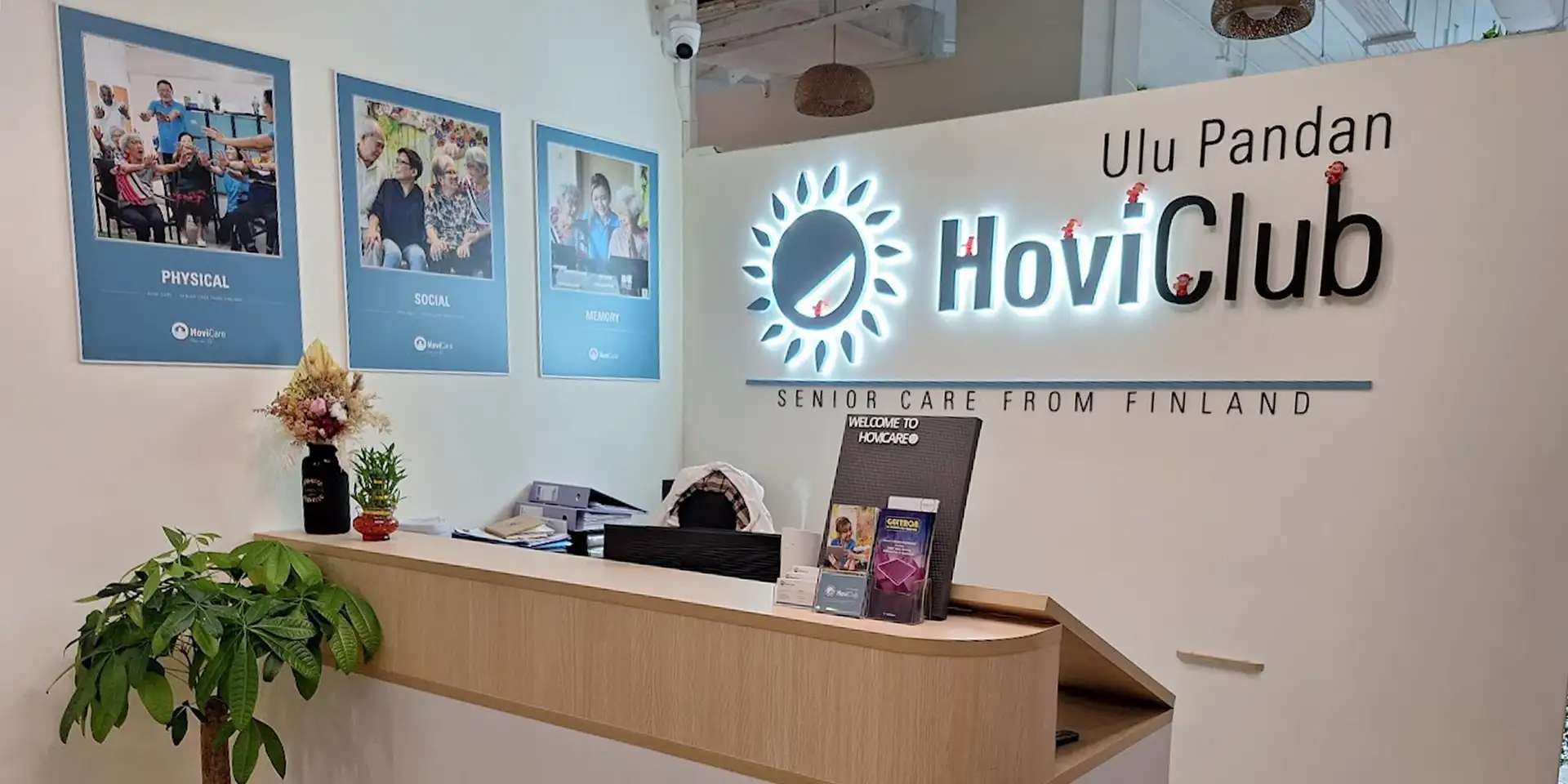
Hovi Care environments are specifically designed to welcome family involvement, creating spaces where relatives feel comfortable visiting, participating in activities, and staying connected with their loved ones. We recognize that family caregivers hold invaluable knowledge about their loved ones’ preferences, habits, and history—information that helps us provide truly personalized care.
By embracing this family-to-family approach, we create a foundation of mutual respect and collaboration. This partnership becomes particularly valuable when facing the emotional challenges that often accompany the caregiving journey.
Why do family caregivers need emotional support?
Caring for an elderly family member involves much more than handling physical needs—it creates a complex emotional landscape that caregivers must navigate daily. Family caregivers often experience a range of powerful emotions: concern for their loved one’s wellbeing, uncertainty about the future, grief over changes in their relationship, and sometimes guilt about not being able to do more.
The emotional weight of caregiving can be particularly challenging when caring for someone with cognitive decline. Witnessing changes in a parent or spouse’s memory, personality, or abilities can be deeply painful. Even when professional care services are involved, family members may struggle with feelings of loss and the evolving nature of their relationship.
Many caregivers also face practical stressors that compound emotional challenges. Balancing caregiving responsibilities with work, other family obligations, and personal needs can lead to exhaustion and burnout. Without proper emotional support, these pressures can affect the caregiver’s physical health, cognitive function, and ability to continue providing care.
At Hovi Care, we’ve observed that family dynamics play a crucial role in the caregiving experience. Each family brings its own history, communication patterns, and ways of handling stress. By understanding these dynamics and the importance of trust in the caregiving relationship, we can better support the emotional needs of family caregivers.
Building trust through transparent communication
Trust forms the cornerstone of any effective caregiving partnership. At Hovi Care, we’ve made transparent communication a priority because we understand its direct impact on the emotional wellbeing of family caregivers. When families entrust their loved ones to our care, they deserve complete clarity about how we operate and what they can expect.
Our commitment to transparency means sharing information openly about your loved one’s daily activities, health status, and any changes we observe. Rather than limiting family members to scheduled visiting hours, we welcome their participation and questions at any time. This open-door approach helps reduce uncertainty and anxiety for family caregivers, who often worry about what happens when they aren’t present.
We’ve established clear channels for regular communication between our staff, family caregivers, and residents. These include:
- Regular family meetings where care plans and progress are discussed
- Open access to care documentation and records
- Responsive staff who are available to address concerns
- Clear explanations of care decisions and approaches
This transparent approach directly supports the emotional wellbeing of family caregivers by alleviating common concerns about quality of care. When caregivers trust that their loved ones are receiving proper attention, they can experience significant relief from stress and worry. Our ethical standards in operations ensure that this trust is well-placed and continuously reinforced through consistent, honest communication.
Creating supportive environments for families
The physical environment plays a vital role in supporting not just our residents but also their family members. When you visit a Hovi Care home, you’ll notice that our spaces are designed to be welcoming, comfortable, and conducive to meaningful interaction between residents and their families.
Our environments feature:
- Cosy, home-like common areas where families can gather comfortably
- Private spaces for more intimate family visits
- Thoughtful incorporation of nature elements to create calming atmospheres
- Accessible design that accommodates visitors of all ages and abilities
These physical features are important, but equally significant is the emotional atmosphere we cultivate. Our staff understand that visiting a loved one in care can sometimes be emotionally challenging for family members. We strive to create an environment where families feel emotionally safe—where they can express concerns, share memories, or simply be present with their loved ones without judgment.
Family caregivers often report that the environment itself can either increase or decrease their stress levels during visits. A clinical, institutional setting can heighten anxiety, while a warm, welcoming space helps families relax and connect more naturally with their loved ones. Our Green Care elements, which incorporate nature into our environments, provide sensory experiences that can be enjoyed together by residents and visitors, creating opportunities for shared positive experiences.
We also recognize that family caregivers need practical support during visits. Simple touches like comfortable seating, access to refreshments, and spaces where children can be included in visits make a significant difference in how sustainable family involvement becomes over time.
Respecting individuality in care relationships
Every family’s caregiving journey is unique, shaped by personal histories, cultural backgrounds, and individual needs. At Hovi Care, respecting individuality isn’t just about personalizing care for our residents—it extends to understanding and supporting the specific circumstances of family caregivers as well.
We recognize that family caregivers come to us with different:
- Levels of caregiving experience and confidence
- Emotional responses to their loved one’s condition
- Preferences for involvement in ongoing care
- Cultural expectations about family roles in eldercare
- Personal capacity for caregiving alongside other responsibilities
Some family members wish to remain hands-on with certain aspects of care, while others may need permission to step back and allow professional caregivers to take the lead. Both approaches are valid, and we support family members in finding the right balance for their situation.
Our individualized approach to supporting family caregivers includes respecting their expertise about their loved one while also providing guidance when needed. We avoid making assumptions about what family members “should” do or feel, instead creating space for them to express their own needs and preferences.
This respect for individuality helps reduce the guilt that many family caregivers experience. When caregivers feel their unique situation is understood and respected, they’re more likely to accept the emotional support offered and incorporate self-care into their caregiving journey.
Community engagement and caregiver support
The challenges of family caregiving are best faced with a supportive community. Hovi Care actively engages with local communities to create networks of support that benefit both our residents and their family caregivers. We understand that isolated caregivers face greater emotional strain, while those connected to supportive communities tend to show greater resilience.
Our community engagement initiatives include:
- Creating opportunities for family caregivers to connect with others in similar situations
- Collaborating with local organizations to expand available resources
- Facilitating access to information and education about eldercare
- Involving community members in activities that benefit both residents and visitors
We believe that responsible community engagement means recognizing the valuable role that family caregivers play and actively working to support their wellbeing. This commitment stems directly from our ethical standards, which include being a dependable member of the community.
Each Hovi unit’s unique theme also contributes to community building. Whether focused on Nature and Wellbeing, Creativity and Wellbeing, or Health and Safety, these themes provide frameworks for activities that can involve family members and create meaningful shared experiences. These thematic approaches help create environments where emotional support happens naturally through shared interests and participation.
By fostering these community connections, we help reduce the isolation that many family caregivers experience. Creating opportunities for caregivers to share experiences, exchange practical advice, and simply feel understood by others can substantially improve their emotional wellbeing.
Finding balance in the caregiving journey
Supporting family caregivers emotionally involves helping them find sustainable balance in their caregiving role. At Hovi Care, we encourage family members to maintain their own health and interests while staying connected to their loved ones. This balanced approach benefits everyone—the caregiver, the person receiving care, and the wider family system.
We understand that accepting help is sometimes difficult for dedicated family caregivers. Many have been managing alone for years before seeking professional support. Our approach acknowledges these feelings while gently helping caregivers recognize that sharing the care responsibility can actually improve the quality of their relationship with their loved one.
When family caregivers receive adequate emotional support, they can shift from merely surviving each day to finding meaningful connection and even joy in their caregiving role. This transformation is at the heart of what we aim to facilitate at Hovi Care—not just excellent care for seniors, but emotional wellbeing for the entire family.
If you’re a family caregiver looking for support on your journey, we invite you to learn more about our family-oriented approach to eldercare. Together, we can create a care partnership that honors your loved one while supporting your emotional wellbeing every step of the way.