
Read our interesting Articles

Hovi Care professionals share their knowledge

Hovi Care Articles

How can families support toileting routines at home for aging loved ones?

Supporting toileting routines for aging loved ones requires a thoughtful, dignified approach that balances assistance with independence. Families can help by making bathroom modifications like installing grab bars and raised toilet seats, establishing consistent routines, providing appropriate adaptive equipment, and approaching assistance with sensitivity and respect. Creating a supportive environment that preserves dignity while ensuring safety is essential for maintaining your loved one’s quality of life and wellbeing. Aging often brings toileting challenges that can affect both physical comfort and emotional wellbeing. Many seniors experience mobility issues that make it difficult to reach the toilet in time, transfer safely, or […]

Read More »

How do seniors in Singapore or Bali get support with daily errands?

Seniors in Singapore and Bali can access various support services for daily errands through professional care providers, community assistance programmes, and family networks. In Singapore, structured services include government-subsidised home care, private errand runners, and senior activity centres that facilitate transport and shopping assistance. Bali offers a blend of traditional family support systems and emerging professional services catering to both local elderly and expatriate seniors. These services help maintain independence and quality of life by addressing activities of daily living that become challenging with age. As we age, managing everyday tasks often becomes increasingly challenging. Seniors in Singapore and Bali […]

Read More »

What tools can make eating easier for elderly individuals with limited mobility?

For elderly individuals with limited mobility, specialized eating tools can make a significant difference in maintaining independence during mealtimes. These adaptive tools include ergonomic utensils with modified grips, specialized plates with high sides and non-slip bases, easy-to-hold cups with lids, and various positioning equipment that creates optimal eating positions. Smart technology has also introduced innovative solutions like tremor-dampening utensils. These tools collectively help seniors preserve dignity and autonomy while ensuring proper nutrition. Mealtime independence is fundamental to an elderly person’s dignity and self-esteem. Being able to feed oneself is one of the most basic activities of daily living that impacts […]

Read More »

What’s the best way to transition from independent living to needing IADL help?

Transitioning from independent living to accepting help with everyday tasks is a natural part of ageing for many seniors. The key is to approach this change gradually, with open communication and respect for autonomy. Begin by identifying specific areas where assistance would improve quality of life, then introduce support incrementally. Involving your loved one in all decisions preserves dignity while ensuring they receive necessary help. Remember that accepting support with instrumental activities like meal preparation or medication management can actually enhance independence by preventing more serious issues and allowing seniors to focus their energy on meaningful activities. The journey from […]

Read More »

How can I help without making my parent feel like a burden?

Helping an ageing parent without making them feel like a burden requires a delicate balance of compassion and respect for their autonomy. The key is to offer assistance in ways that preserve their dignity and sense of self-worth. This means approaching care as a collaborative partnership rather than a one-sided arrangement, using respectful communication, involving them in decisions about their care, and finding opportunities to highlight their continued contributions to family life. Remember that your parent’s emotional wellbeing is just as important as their physical needs. For many elderly parents, accepting help represents a profound emotional transition that can challenge […]

Read More »

Are there culturally sensitive approaches to ADL assistance in Singapore or Bali?

Culturally sensitive approaches to Activities of Daily Living (ADL) assistance in Singapore and Bali integrate respect for local traditions, religious practices, and family structures into everyday care routines. In these multicultural regions, effective ADL assistance acknowledges that personal care preferences are deeply influenced by cultural backgrounds, whether Chinese, Malay, Indian, or Balinese Hindu. Successful caregiving requires adapting bathing, dressing, meal preparation, and other daily activities to align with cultural norms and individual preferences, creating care experiences that preserve dignity while respecting cultural identity. Culturally sensitive ADL assistance recognises that the way we provide care for basic daily needs is profoundly […]

Read More »

What routines help elderly wheelchair users stay involved in daily planning?

Maintaining involvement in daily planning provides elderly wheelchair users with a crucial sense of autonomy and purpose. Effective routines combine accessibility modifications, assistive technology, and supportive communication strategies to empower participation. By adapting morning activities, meal planning, social engagements, and environmental setups, caregivers can create opportunities for meaningful involvement. The most successful approaches balance necessary assistance with respect for independence, allowing wheelchair users to maintain control over their daily lives while receiving appropriate support for their unique needs. Daily planning is vital for elderly wheelchair users because it preserves their sense of autonomy and purpose, which directly impacts their overall […]

Read More »

How do I create a respectful daily care routine for an aging family member?

Creating a respectful daily care routine for an aging family member involves balancing structured activities with flexibility and individual preferences. Start by assessing their unique needs, then develop a consistent schedule that includes personal hygiene, medication management, nutrition, physical activity, and meaningful social interactions. Always communicate respectfully, preserve dignity during personal care, and adjust the routine as needs change. The most successful care routines honor autonomy while ensuring safety, treating the senior as a valued individual rather than a care recipient. Daily routines provide essential structure that helps aging family members maintain a sense of normalcy and control in their […]

Read More »

How do I know if my parent can still live independently?

Determining if your parent can continue living independently involves observing both physical and cognitive capabilities alongside their ability to perform daily tasks. Look for changes in mobility, personal care habits, medication management, and safety awareness. Regular assessment of their ability to perform both basic activities like bathing and dressing, and instrumental activities like managing finances and preparing meals, provides crucial insights. The ideal approach balances respect for their autonomy with genuine concern for their wellbeing, involving them in conversations about their changing needs. As our parents age, the delicate balance between preserving their independence and ensuring their safety becomes increasingly […]

Read More »
Picture of Jussi Peltonen

Jussi Peltonen

My goal is to help Hovi Care and our franchising partners deliver high-class care services and thus making an impact on our clients’ daily lives. My speciality is developing innovative and easily deployable service concepts which support clients’ rebabilitation goals and well-being.
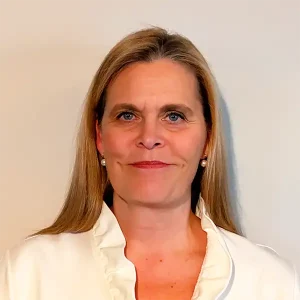
Picture of Ph.D. Annikka Immonen

Ph.D. Annikka Immonen

With over thirty years of experience in the healthcare field as a nurse, manager, developer, LEAN coach, researcher, and author on healthcare practices, I am dedicated to developing quality care for the elderly and individuals with neurocognitive disorders (NCD) [Dementia]. In all my work, I adhere to a people-oriented philosophy.

Picture of Jared Lim

Jared Lim

It has always been my personal endeavour to do things that will make a difference in a person’s life and make a positive impact to their everyday. Starting HoviClub Orchard, is an extension of this personal endeavour, at our centre we hope to reach and touch many seniors and impact their lives positively by bringing them Joy and Wellness.

Picture of M.D Tania Setiadi

M.D Tania Setiadi

As Medical Director at Hovi Care, I combine my experience as a doctor, dementia care trainer, and researcher to lead person-centred, evidence-based services. With a global perspective from working across Asia and Europe, I’m passionate about blending best practices with cultural understanding to advance compassionate dementia care.

Picture of Steven Wong

Steven Wong

I aim to offer a fresh and insightful perspective on eldercare by examining innovative, creative, and practical initiatives that support seniors in ageing gracefully, physically, emotionally, and socially. Through my writing, I seek to inspire new approaches and actions within the senior care sector, ultimately fostering meaningful and sustainable change.