
Home » Elder Care Services » Senior Care and Dementia Caregiver training

Hovi Academy provides professional dementia caregiver training and senior care education for family caregivers, healthcare professionals, and elder care providers. Our courses help participants understand dementia, Alzheimer’s disease, cognitive impairment, communication techniques, and person-centred care practices.
Our Dementia Caregiver Training & Senior Care Courses are designed to equip caregivers with the essential skills to provide personalized care that meets the unique needs of individuals with cognitive impairment.
Recognizing early signs of health issues and responding promptly are critical skills, and our courses focus on fostering these abilities. This comprehensive training enhances communication skills, enabling caregivers to build positive relationships and emotional comfort with their care recipients.
The Hovi Academy training provides in-depth knowledge on various types of dementia, helping caregivers recognize the specific challenges faced by individuals and their families. Each type of dementia presents unique symptoms, and understanding these differences allows caregivers to deliver customized senior care.
Dementia training covers strategies for effective communication, even as verbal abilities decline, empowering caregivers to provide support and promoting active ageing for those with cognitive impairments.
Our Hovi Academy eldery care training includes a flexible course selection, allowing participants to choose the areas they want to focus on, such as recognizing the progression patterns of ageing and dementia. This knowledge enables caregivers to anticipate changes and plan personalized care strategies.
Hovi Academy’s courses are ideal for caregivers, family members, and healthcare professionals, providing practical tools for caring for loved ones with neurocognitive disorders like Alzheimer’s, Parkinson’s and dementia.
Hovi Academy’s Dementia Caregiver Training & Senior Care Courses provide a foundation in caregiver education, helping participants deliver senior care in a person-oriented manner.
Each course is structured to build skills in supporting both physical and emotional needs, ensuring that seniors can engage in active ageing. With this training, caregivers gain confidence and the necessary expertise to improve the quality of life for elderly.
You'll learn about
- Alzheimer's disease
- Vascular dementia
- Lewy body dementia
- Frontotemporal dementia
- Communication techniques
You'll learn about
- Person-centred care
- Active ageing
- Rehabilitation principles
- Care planning
You'll learn about
- Supporting loved ones at home
- Managing behavioural changes
- Reducing caregiver stress
Understanding Depression and Creative Reminiscence
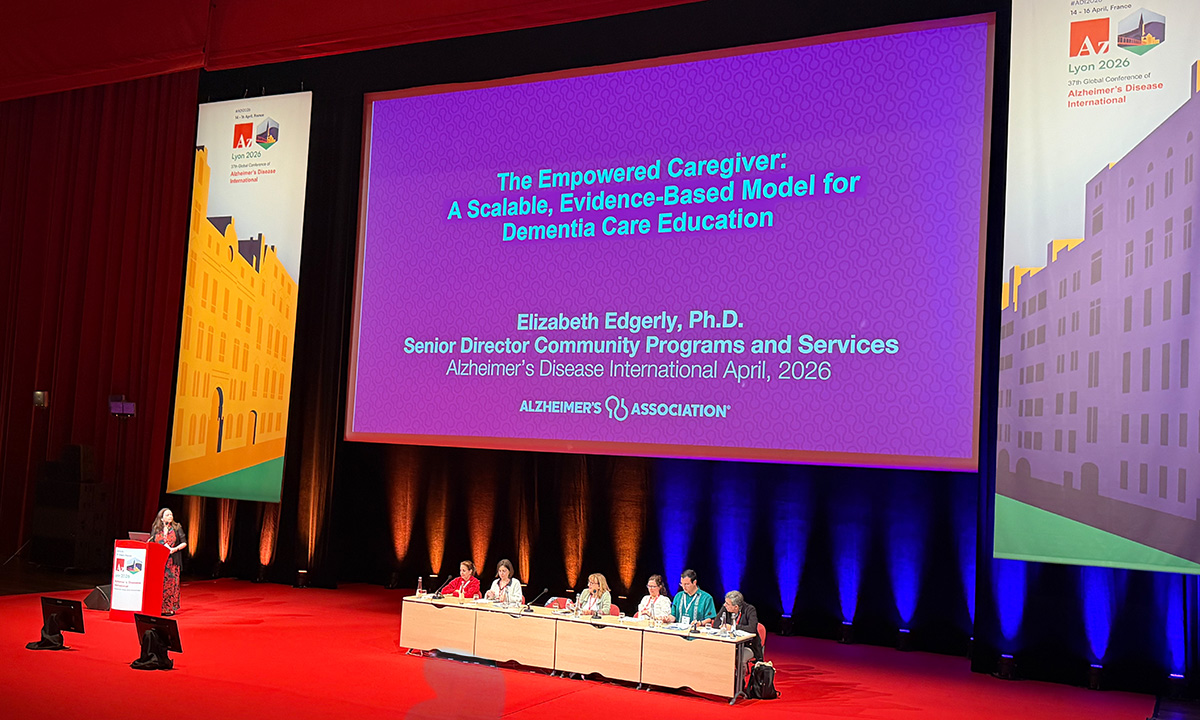
The 37th Global Conference of Alzheimer’s Disease International (ADI Conference 2026), held in Lyon, France, was more than an international conference. It was a gathering of people united by one shared purpose: to improve the lives of people living with dementia and those who care for them. The event brought together dementia care professionals, researchers, […]
Hovi Care Ltd’s operations were evaluated in May 2026 as part of the internationally recognized ISO 9001 Quality Management Certification process. The independent assessment was conducted by Liisa Rantakokko from Kiwa Sertifiointi Ltd. The results confirmed that Hovi Care’s management system is effective and compliant with the requirements of the ISO 9001 standard. The audit […]


Understanding the benefits of arts and crafts for the elderly Engaging in creative activities offers a treasure trove of benefits for older adults. It’s more than just a pastime; it’s a pathway to enhanced well-being. Arts and crafts can improve fine motor skills, providing a gentle yet effective way to maintain dexterity. It’s a bit […]

Introduction to retiring in Bali Picture this: waking up to the sound of ocean waves, surrounded by lush landscapes, and basking in a warm, tropical climate every day. This dream can become a reality for those considering a retirement in Bali, a paradise waiting to be explored. This guide aims to equip you with the […]

Understanding the cost of elderly day care in Singapore Cost concerns often top the list when families explore elderly day care services in Singapore. In fact, several factors influence these costs, including location, service range, and care duration. Generally, Full-day elderly care in Singapore costs between SGD 50 to SGD 150 per day. However, this […]
Click and read more about their thoughts.
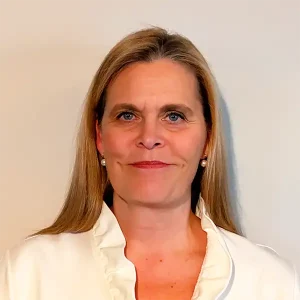
With over thirty years of experience in the healthcare field as a nurse, manager, developer, LEAN coach, researcher, and author on healthcare practices, I am dedicated to developing quality care for the elderly and individuals with neurocognitive disorders (NCD) [Dementia]. In all my work, I adhere to a people-oriented philosophy.

It has always been my personal endeavour to do things that will make a difference in a person’s life and make a positive impact to their everyday. Starting HoviClub Orchard, is an extension of this personal endeavour, at our centre we hope to reach and touch many seniors and impact their lives positively by bringing them Joy and Wellness.
Dementia Caregiver training is designed to equip caregivers with the essential skills for active aging and cognitive impairment. Read our article about the Best Practices for dementia Caregivers.
Hovi Academy’s courses are ideal for caregivers, family members, and healthcare professionals, providing practical tools for caring for loved ones with neurocognitive disorders like Alzheimer’s, Parkinson’s and dementia. These must be completed by all Hovi Care employees who work with seniors.
Understanding Dementia: In-depth knowledge of various types of dementia and their unique challenges.
Soft Skills: Training in empathetic communication, conflict resolution, and building emotional comfort.
Holistic Care: Modules covering everything from basic caregiving techniques to cognitive, social, and physical rehabilitation.
Caregiver Well-being: Guidance on managing stress, establishing consistent daily routines, and utilizing respite care.
Personalized Interventions: Training shifts the focus toward understanding individual symptoms and communication styles, which enables caregivers to tailor meaningful activities. This promotes dignity and slows cognitive decline.
Enhanced Communication: Caregivers learn proven strategies to engage care recipients even as verbal abilities decline, reducing frustration and building emotional connection.
Behavioral Management: Staff are equipped to interpret the root causes of distress (e.g., environmental factors, unmet physical needs, or pain) rather than just reacting to the behavior.
Increased Self-Efficacy: Proper education boosts caregiver confidence and job satisfaction, which significantly lowers staff turnover and creates a stable, secure environment for seniors.