The 37th Global Conference of Alzheimer’s Disease International (ADI Conference 2026), held in Lyon, France, was more than an international conference. It was a gathering of people united by one shared purpose: to improve the lives of people living with dementia and those who care for them.
The event brought together dementia care professionals, researchers, advocates, Alzheimer’s associations, and community leaders from around the world. Through inspiring presentations, research updates, and practical care examples, the conference offered valuable insights into how dementia care is evolving globally, and how these ideas can be translated into everyday care.
For Hovi Care, ADI Conference 2026 was especially meaningful.
Many of the key themes reflected what we continue to strengthen in our own services: person-centred care, brain health, meaningful engagement, caregiver education, staff training, and community-based support. I gained many valuable insights from speakers from different countries, each sharing experiences from their own cultural and professional contexts. Their messages reminded us that while dementia care may look different across countries, the heart of good care remains the same: seeing the person, not only the condition.
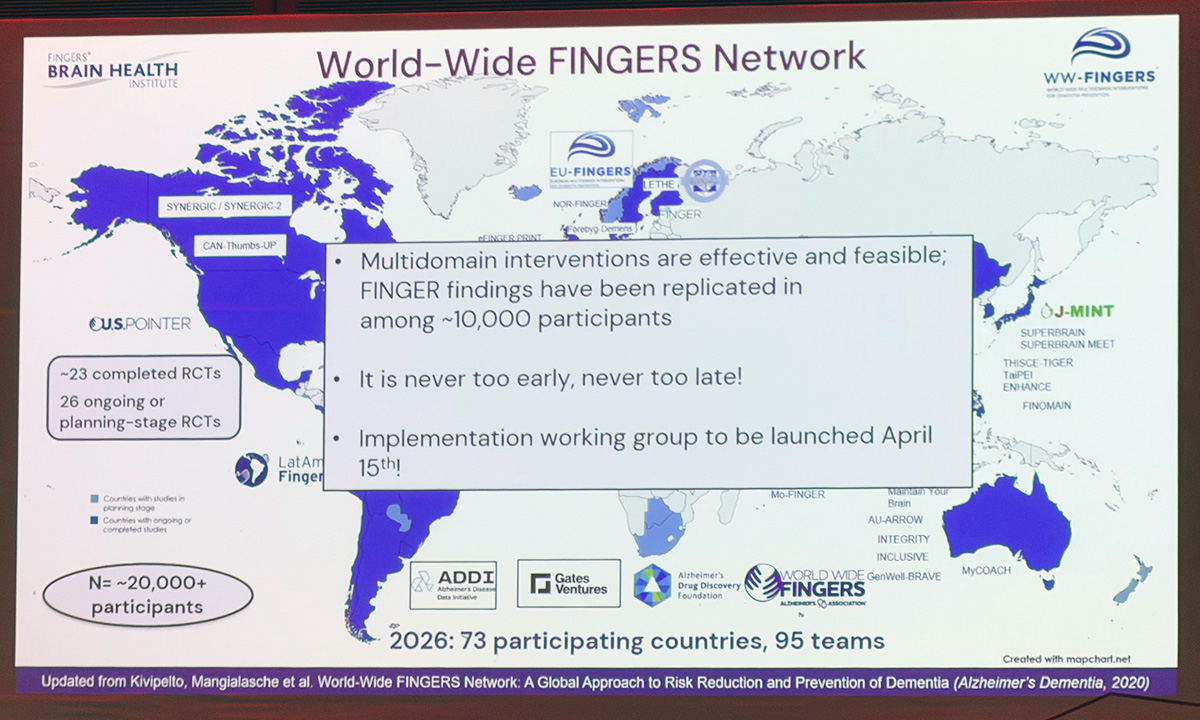
One of the most inspiring highlights was seeing how the FINGER Study and the World-Wide FINGERS network continue to grow internationally. As Hovi Care has its roots in Finland, the FINGER model has already become an important foundation of our daily programmes. This model looks at brain health from many angles, including healthy nutrition, physical activity, cognitive stimulation, social connection, and cardiovascular health.
At Hovi Care, these ideas are part of everyday life.
They can be seen in our movement activities, cognitive wellness programmes, music sessions, social interaction, nutrition support, and personalised care planning. It was encouraging to see how the FINGER model is now being adapted in different countries and cultures. Each community may apply it in its own way, but the shared goal remains the same: helping older adults stay active, connected, and engaged in daily life.
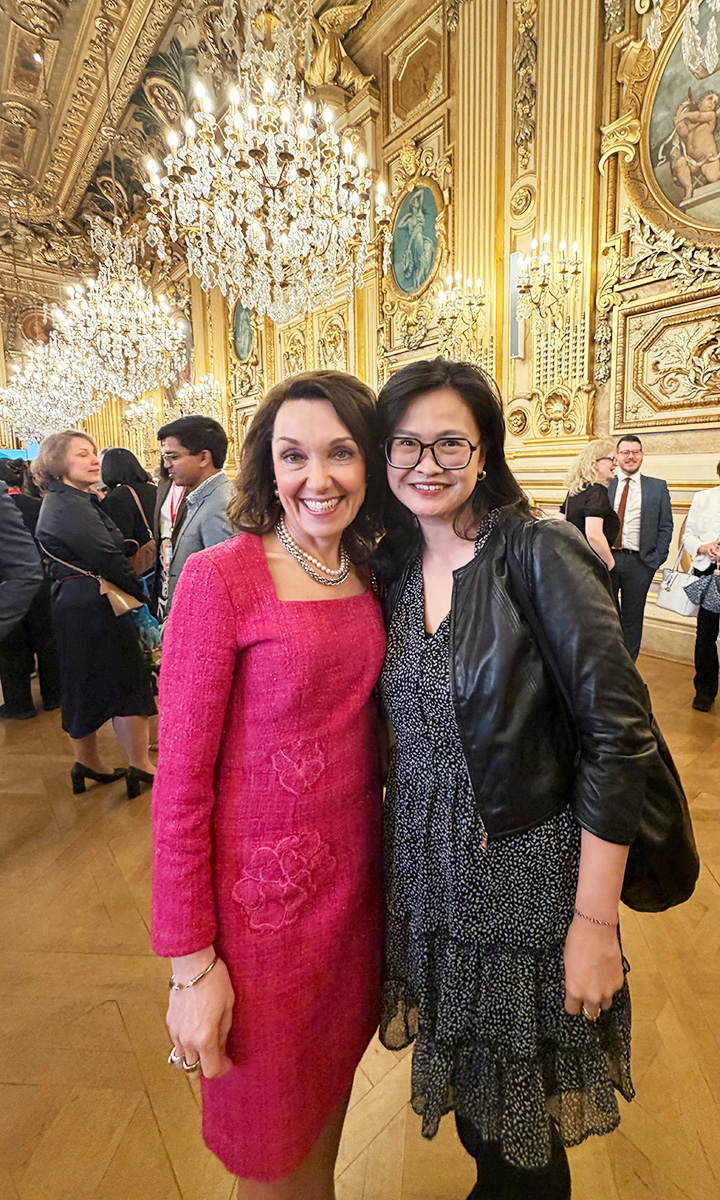
During the conference, I also had the opportunity to connect with Prof. Miia Kivipelto, the leading researcher behind the FINGER Study. This was a meaningful moment and an important source of inspiration as we continue to strengthen our brain health and dementia prevention programmes in Hovi Care’s senior day care and assisted living settings.
ADI Conference 2026 also opened valuable networking opportunities with Alzheimer’s Indonesia, Dementia Singapore, and other ADI member associations, especially in the Asia Pacific region. These connections are important as dementia care needs continue to grow across Asia. Through collaboration, shared learning, and regional partnerships, we can strengthen awareness, caregiver support, professional education, and dementia-friendly communities.
Importance of moving beyond task-based care toward relationship-based care
Another strong message from the conference was the importance of moving beyond task-based care toward relationship-based care. Good dementia care is not only about completing daily routines. It is about knowing the person’s life story, preferences, strengths, habits, and meaningful activities. This strongly reflects Hovi Care’s values and our commitment to helping each client feel seen, respected, and valued.
Bringing Global Dementia Care Insights to Hovi Care
ADI Conference 2026 reaffirmed that Hovi Care is moving in the right direction: combining evidence-informed practice with warm, human-centred care. The global insights, inspiring speakers, and international connections gained from this conference will continue to guide our work as we strengthen dementia care, caregiver education, and brain health programmes across our communities.
At Hovi Care, we believe that high quality dementia care is not only about support. It is about helping each person continue to live with purpose, connection, and dignity.