
The FINGER model, an acronym for the Finnish Geriatric Intervention Study to Prevent Cognitive Impairment and Disability, highlights the significant role of cardiovascular health in preventing cognitive decline. As the final instalment in our series, this page explores the intricate connection between heart and brain health. By managing key cardiovascular risk factors like blood pressure, cholesterol, and diabetes, you can protect not only your heart but also your brain function.
The brain and heart are deeply connected through the vascular system, which ensures that the brain receives a continuous supply of oxygen-rich blood. This blood flow delivers essential nutrients and removes waste products that can otherwise accumulate and cause damage. When cardiovascular health is compromised, the brain suffers.
Conditions such as hypertension (high blood pressure) and atherosclerosis (plaque buildup in arteries) can reduce blood flow to the brain, leading to cognitive impairment or vascular dementia. Furthermore, Chronic heart problems may raise Alzheimer’s risk by increasing inflammation and harmful protein buildup in the brain.
Therefore, protecting heart health prevents heart attacks and strokes while supporting memory and cognitive function with age.
Understanding and managing cardiovascular risk factors is critical to protecting your brain. Here are three primary areas to focus on:
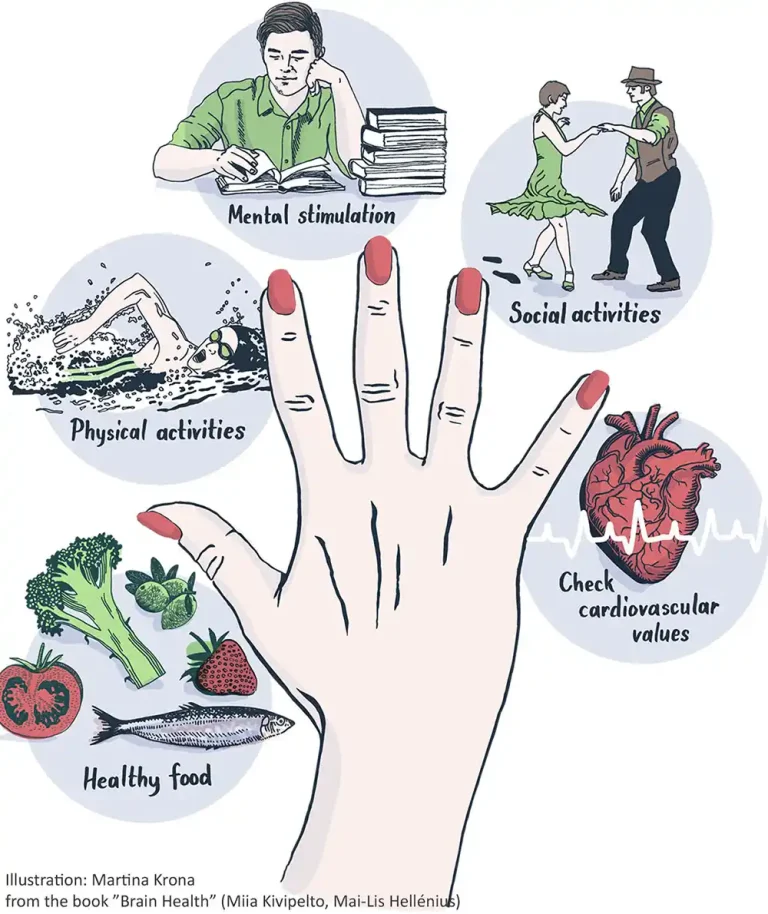
Taking care of your heart doesn’t have to be overwhelming. Small, consistent steps can have a big impact. Here are some actionable ways to protect your cardiovascular and brain health:
Cardiovascular health is a cornerstone of cognitive well-being. By managing risk factors like high blood pressure, cholesterol, and diabetes, you’re not just protecting your heart—you’re safeguarding your brain. Ultimately, the heart–brain link shows that a holistic approach benefits both body and mind.
Taking proactive steps to monitor and improve your cardiovascular health can help reduce the risk of cognitive decline and ensure a healthier, more fulfilling life. Thank you for joining us in this series on the FINGER study’s principles. Together, these strategies—nutrition, physical activity, cognitive training, social engagement, and cardiovascular health management—form a comprehensive roadmap to long-term brain health.