
The FINGER study (Finnish Geriatric Intervention Study to Prevent Cognitive Impairment and Disability) underscored the importance of cognitive training in maintaining mental sharpness. As we age, engaging in structured mental activities can help preserve memory, enhance problem-solving skills, and reduce the risk of cognitive decline. In this article, part of our series on the FINGER study’s findings, we explore how cognitive exercises can improve brain function and keep your mind resilient.
Cognitive training involves structured activities that challenge your brain in specific ways to improve memory, reasoning, and problem-solving skills. These exercises stimulate the brain, strengthening neural pathways and enhancing cognitive reserve. Much like physical exercise strengthens muscles, cognitive training helps maintain and even improve mental agility. Regularly engaging in these activities can slow age-related cognitive decline and support lifelong learning.
Neuroplasticity, the brain’s ability to adapt and reorganize itself, plays a central role in the benefits of cognitive training. By challenging your mind with new and complex tasks, you encourage the formation of new neural connections, keeping your brain active and flexible.
Engaging in cognitive training doesn’t have to be complicated. Incorporating a variety of activities into your routine can help target different areas of the brain. Here are some effective ways to keep your mind sharp:
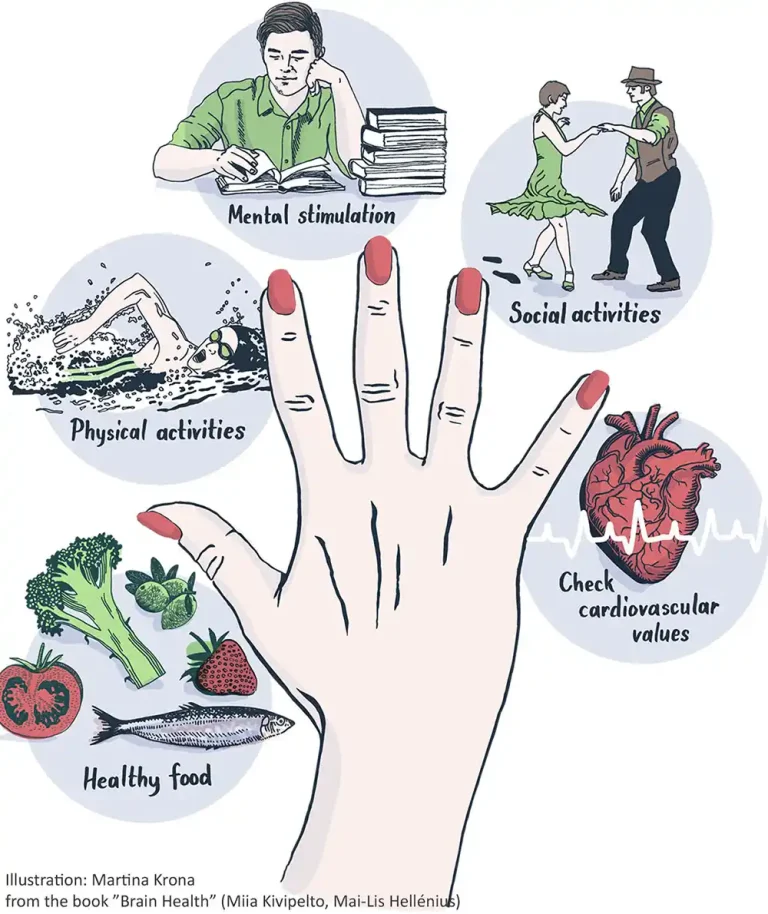
Cognitive training, which includes activities like puzzles and memory games, keeps the brain active and engaged. Social engagement provides mental stimulation and emotional support, which are essential for maintaining cognitive health. Lastly, control of cardiovascular risk factors like blood pressure, cholesterol, blood glucose, and body weight are also very important for our brain health.
Consistency is key to reaping the long-term benefits of cognitive training. Here are some practical tips to make mental exercises a part of your daily life:
Cognitive training is a powerful tool to keep your brain active, adaptable, and resilient as you age. By dedicating time to mental exercises and incorporating a variety of activities, you can enhance memory, improve problem-solving skills, and maintain overall cognitive health. The beauty of cognitive training is that it’s both enjoyable and effective—a win-win for your brain and overall well-being.
Next, please explore the importance of social engagement in promoting brain health, another crucial principle highlighted by the FINGER study. And check the other articles too on nutrition, cardiovascular health and physical activity. So stay tuned to learn how meaningful connections can support your cognitive journey.