
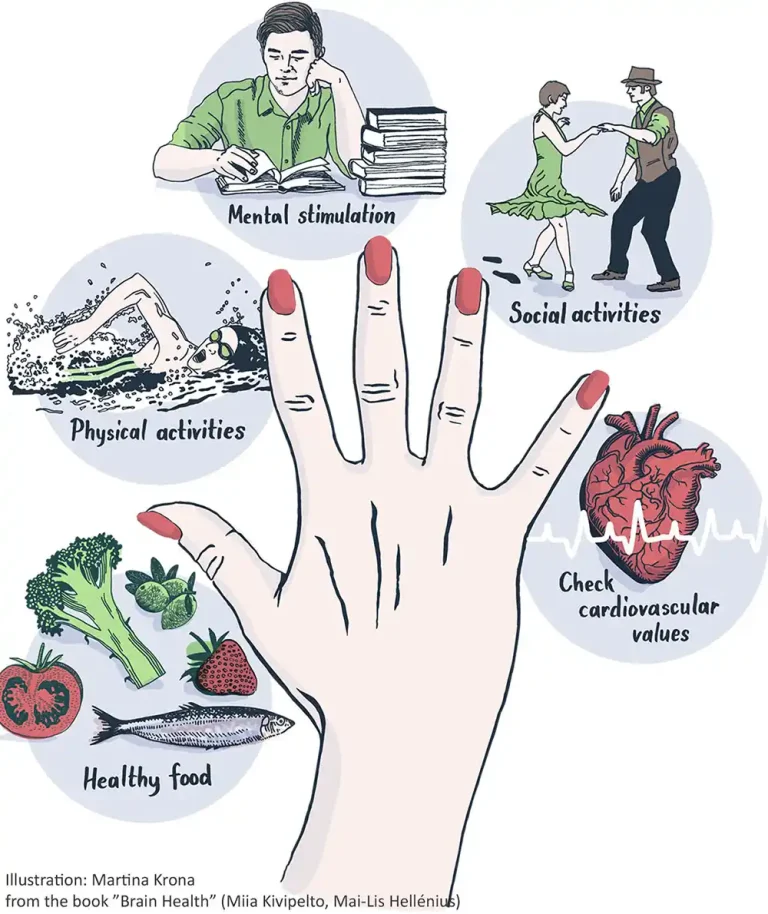
The FINGER study (Finnish Geriatric Intervention Study to Prevent Cognitive Impairment and Disability) has become a landmark in understanding how lifestyle changes can prevent cognitive decline. This comprehensive research highlighted the importance of a multidomain approach, combining various lifestyle factors to maintain cognitive health.
Among these, nutrition plays a vital role in promoting brain health and reducing the risk of dementia. This page is part of a series exploring the five core principles of the FINGER study, starting with how dietary choices influence brain function.
What you eat impacts your brain as much as it does your body. A brain-healthy diet, like the Mediterranean or Nordic diet, can reduce inflammation and oxidative stress, two key contributors to age-related cognitive decline. Oxidative stress occurs when there is an imbalance between free radicals and antioxidants in the body, leading to cell damage, including in brain cells. Meanwhile, chronic inflammation has been linked to neurodegenerative diseases such as Alzheimer’s.
The Mediterranean and Nordic diets focus on fresh, whole foods that nourish the brain and body. These diets emphasize the intake of fruits, vegetables, healthy fats, and lean proteins, all of which work together to protect cognitive function. Research shows that individuals who adhere to these dietary patterns are less likely to develop dementia or experience significant memory loss as they age.
Incorporating specific nutrient-rich foods into your diet can have a profound effect on your cognitive abilities. Here are some of the top brain-boosting foods recommended by the FINGER study:
Adopting a brain-healthy diet doesn’t have to be complicated. Small, consistent changes can make a big difference. Here are some practical tips to incorporate these foods into your daily life:
The foods you choose to eat today can significantly impact your cognitive health in the future. By following the principles of brain-healthy diets like the Mediterranean or Nordic diets and making informed dietary decisions, you can actively support your brain and overall well-being. Nutrition is just one piece of the puzzle, but it’s a critical starting point for anyone looking to preserve cognitive function and reduce the risk of dementia.
In the next article in this series, where we’ll dive into the role of physical activity, social engagement and cardiovascular health in preventing cognitive decline. Together, these insights from the FINGER study can help you build a lifestyle that prioritizes brain health and long-term wellness.