
The FINGER study (Finnish Geriatric Intervention Study to Prevent Cognitive Impairment and Disability) demonstrated that staying socially active is critical for maintaining brain health. Social engagement isn’t just about relationships; it’s also about giving your brain the stimulation it needs to stay sharp and resilient. In this fourth instalment of our series, we’ll explore how meaningful social interactions help prevent cognitive decline and improve overall well-being.
Loneliness and isolation are more than just emotional challenges; they’re significant risk factors for cognitive decline. Research shows that social isolation can increase the likelihood of developing depression, anxiety, and even dementia. Without regular social interactions, the brain receives less stimulation, which can lead to a decline in cognitive function over time.
Social activities, on the other hand, provide mental stimulation and emotional support. Whether it’s engaging in a lively conversation, collaborating on a project, or sharing a laugh, these interactions activate various areas of the brain, keeping it agile and adaptable. Moreover, being socially connected often correlates with healthier lifestyle choices, such as regular exercise and a balanced diet, further benefiting cognitive health.
Staying socially active doesn’t have to be complicated. Here are some simple yet effective ways to build and maintain connections:
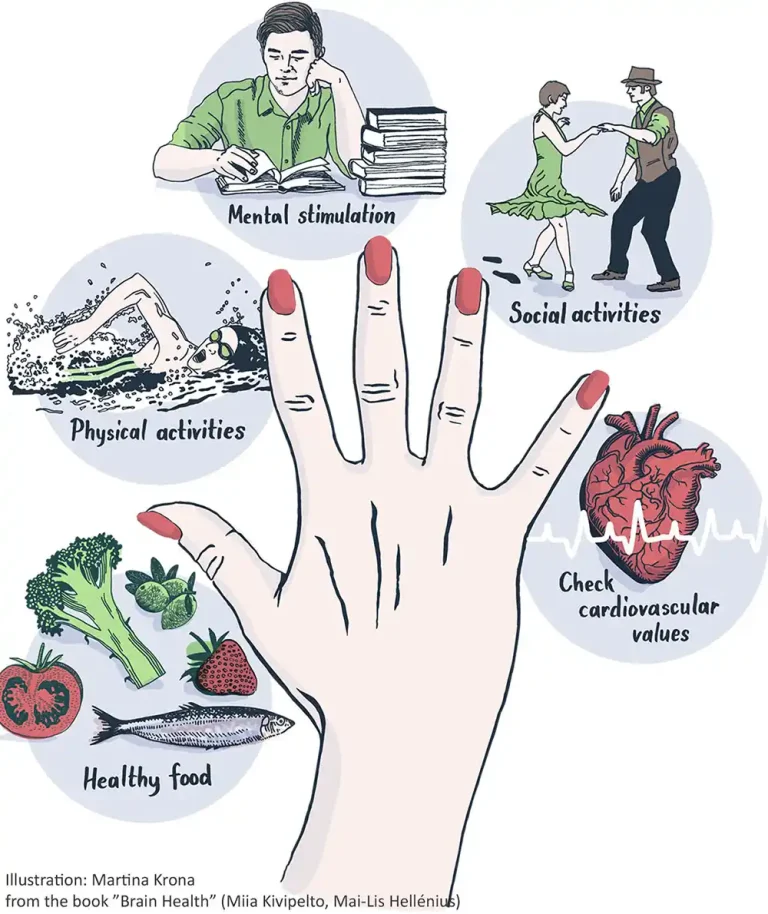
For many, the biggest challenge isn’t knowing the benefits of social engagement but figuring out how to make it a regular part of life. Here are practical tips to incorporate meaningful interactions into your daily routine:
Social engagement is about more than staying connected; it’s about keeping your brain healthy and your life enriched. Meaningful interactions not only strengthen relationships but also provide the mental stimulation and emotional support needed to maintain cognitive health as we age.
By making an effort to stay socially active, you’re investing in your overall well-being. Whether it’s joining a club, volunteering, or simply catching up with a friend, every interaction matters. Read further us as we discuss the other pillars of the FINGER study: managing cardiovascular risk factors, nutrition, cognitive training and physical activity. Vital components of preserving brain health.