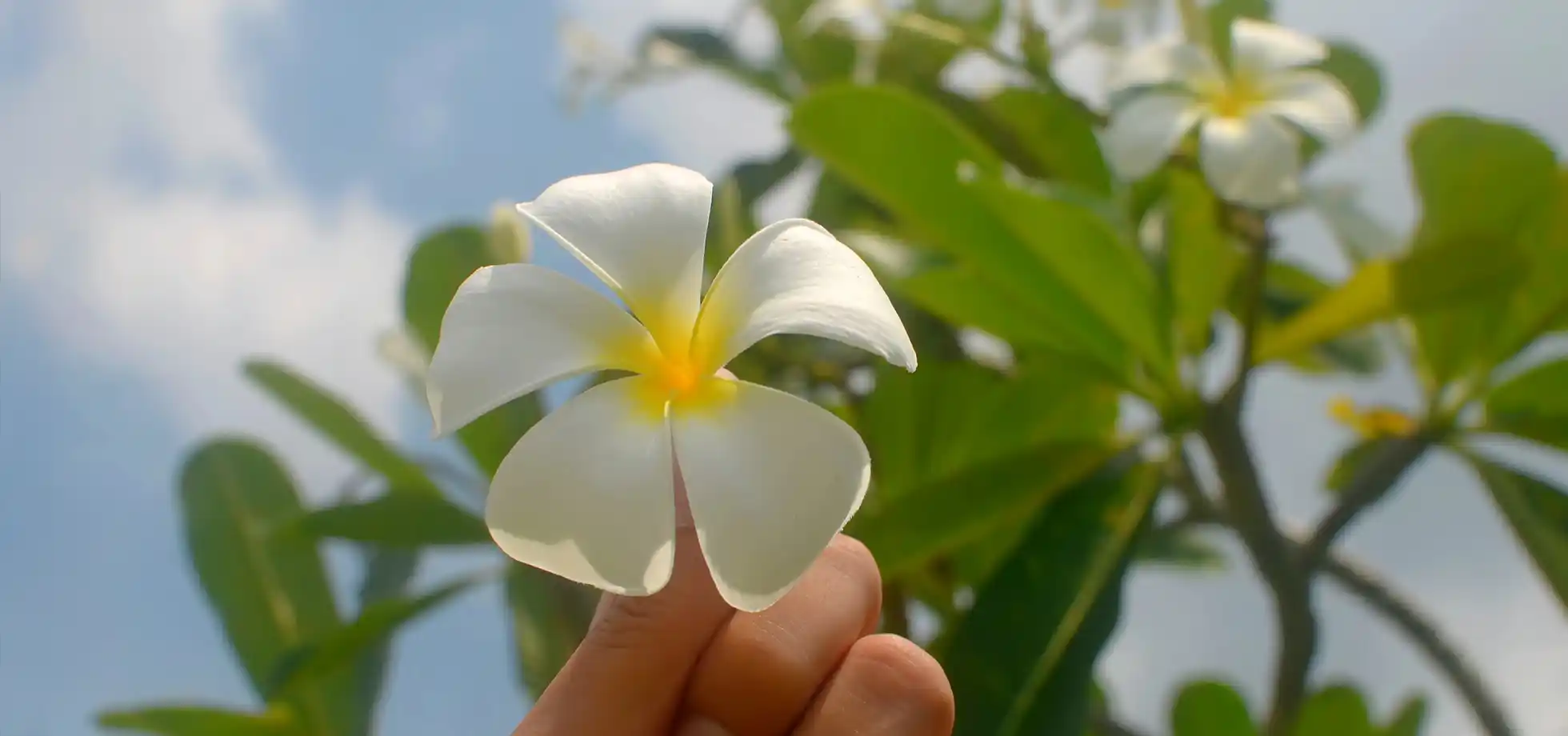

How does Hovi Club incorporate nature in their programs?
What are the core nature-based activities offered by Hovi Club? When it comes to connecting with nature, Hovi Club has crafted a variety of activities

What are the core nature-based activities offered by Hovi Club? When it comes to connecting with nature, Hovi Club has crafted a variety of activities


This is an article in Hovi Care’s series of 10 articles with the topic: 10 Wishes for Caregiver. The keys to success when working with
Designing a daily routine that energizes and nourishes the spirit isn’t just about filling hours—it’s about creating a framework that supports overall wellbeing in later
Maintaining privacy during bathing and grooming is essential for preserving dignity and emotional wellbeing for seniors receiving care. Caregivers should implement practical strategies such as using privacy screens, knock-and-announce protocols, and proper covering techniques. Clear communication, seeking permission, and acknowledging feelings can significantly reduce discomfort. Creating a respectful environment by minimizing exposure, considering cultural preferences, and balancing safety with privacy demonstrates genuine respect for the individual’s personhood and helps maintain their sense of control and self-worth during these intimate activities of daily living. Privacy during personal care is a fundamental right that directly impacts a person’s dignity, self-esteem, and emotional […]
Activities of daily living (ADLs) are the essential tasks people perform daily for self-care, including bathing, dressing, eating, and mobility. For elderly care, these activities serve as crucial indicators of independence and wellbeing. ADLs help determine the level of assistance a senior might need, allowing caregivers to develop personalised support plans that respect dignity while ensuring safety. Understanding and supporting these fundamental activities enables older adults to maintain quality of life and independence for as long as possible, making them a cornerstone of compassionate and effective elderly care. Activities of daily living represent the basic self-care tasks that are necessary […]
The difference between partial and full assistance in Activities of Daily Living (ADLs) lies in the level of support provided. Partial assistance involves helping seniors with specific aspects of an activity while encouraging independence where possible—such as verbal prompting, setting up materials, or physically assisting with challenging portions of tasks. Full assistance means caregivers complete the entire activity for the individual who cannot perform any part independently. Understanding this distinction helps ensure seniors receive appropriate support that maintains dignity while addressing their unique needs and preserving maximum independence. Activities of Daily Living (ADLs) are the fundamental self-care tasks essential for […]
Discover how crafting does more than just fill time—it’s a powerful cognitive workout for seniors. From knitting that strengthens memory pathways to pottery that enhances motor skills, creative activities engage multiple brain regions simultaneously. Research suggests these enjoyable activities may help build cognitive reserve and potentially reduce dementia risk. Learn how specific crafts target different cognitive functions and why social crafting provides additional neurological benefits for older adults.
Discover how crafting activities provide more than just entertainment for older adults—they’re powerful tools for healthy aging. Research shows that learning and practicing crafts creates cognitive reserve, strengthens social connections, and maintains fine motor skills essential for independence. From knitting that exercises mathematical thinking to pottery that enhances three-dimensional reasoning, different crafts offer unique benefits that support brain health throughout the aging process. These activities can be adapted for varying abilities, making craft-based learning sustainable across the lifespan. Whether you’re caring for a senior loved one or planning your own healthy aging journey, understanding the science behind creative engagement reveals why crafts should be viewed not as mere hobbies, but as essential components of wellbeing in later years.

Welcome to our Brain Health Series This article is part of a 9-part series based on insights from the report “Memory and Brain Health” published
Effective communication forms the cornerstone of quality eldercare, especially when working with individuals who use wheelchairs. For caregivers, mastering the art of meaningful interaction can transform the care experience, fostering dignity, trust, and independence. When communication flows naturally between caregivers and wheelchair users, care becomes more personalised, responsive, and empowering for everyone involved. The dynamics of communication change significantly when one person is seated in a wheelchair. Physical positioning, listening techniques, and even the tools used for interaction must be adapted to ensure clear understanding and mutual respect. These adjustments aren’t merely courtesies—they’re essential components of person-centred care that recognises […]